Dirty Secrets.
“The world is governed by very different personages from what is imagined by those who are not behind the scenes.” – Benjamin Disraeli.

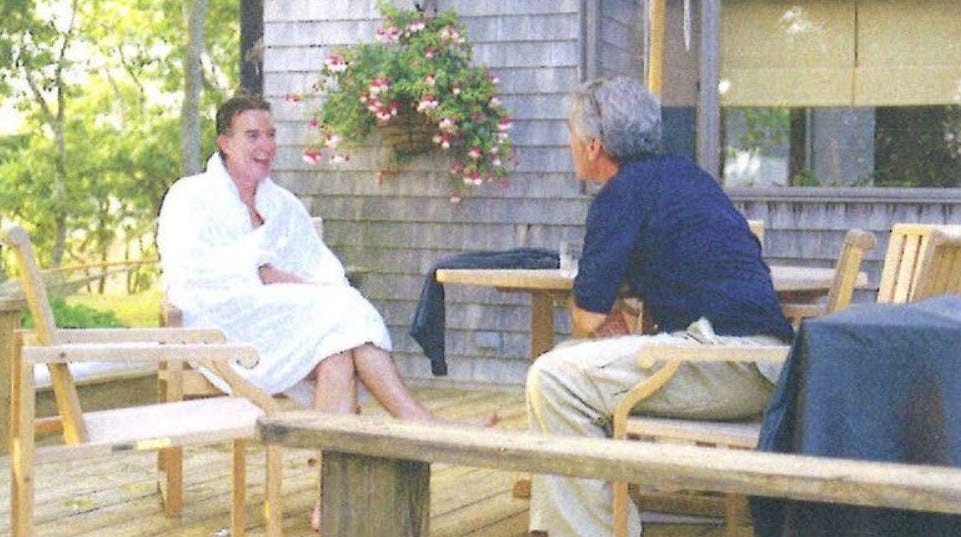
THE LATEST REVELATIONS from the “Epstein Files” have precipitated a dangerously destabilising political scandal in the United Kingdom. Many commentators are drawing parallels with the similarly disruptive “Profumo Affair” of the early 1960s.
That scandal, which blended sex and espionage in high places to deliriously toxic effect, set the scene for the “Swinging Sixties” which, for a few brief years, transformed London into the global capital of “cool”.
Sadly, this scandal, precipitated by the revelation of Lord Peter Mandelson’s extraordinary dealings with the convicted sex offender Jeffrey Epstein, will not usher in a period in which “England swings like a pendulum do”. Rather, it will cause the already dreary skies over the British Isles to grow even darker.
The Profumo Affair signalled the end of the Age of Deference. No longer would one’s position in society count for more than one’s personal conduct. No longer would the key institutions of the realm be protected from scrutiny and satire.
For many Brits this was a thoroughly welcome development and long overdue. Far from the skies darkening, the sun seemed to have broken through. In the eyes of the rising post-war generation, the future glowed with promise.
Sixty years on, broken promises litter the blighted streets of Britain like uncollected rubbish. What the latest tranche of the Epstein Files has hugely facilitated is a forensic analysis of how and why those promises were broken, and by whom.
For more than thirty years Mandelson plotted the course of British politics: sometimes out front, more often from behind the scenes. He called himself the “Prince of Darkness”, others preferred the “Dark Lord”. Neither sobriquet is suggestive of sweetness and light. While practically everyone agreed that Mandelson was preternaturally clever; almost no one was silly enough to suggest that he was good.
What Mandelson and his friend Tony Blair did was harness the disillusionments of the 1970s and 80s to a new way of doing politics. Sure, values would play an important role in the marketing of the “New Labour” project, but they must never be permitted to get in the way of what works.
The New Labour project was driven by the relentless logic of an amoral pragmatism, forever captured in Mandelson’s quip: “We are intensely relaxed about people getting filthy rich.” It was a critical signal to the City of London that it should pay no attention to anything a Blair-led Labour Government might say, but keep its eyes firmly fixed on what that government’s ministers were ready, willing, and able to do.
So far, so far away. There’s a measure of grim entertainment in watching the slow-motion implosion of Sir Keir Starmer’s Labour Government, and in discovering just how utterly and ruthlessly committed the party’s New Labour faction was to preventing the election of a Labour Government led by Jeremy Corbyn. But are there any lessons New Zealanders can draw from what is unfolding in the United Kingdom?
Keep reading with a 7-day free trial
Subscribe to Chris Trotter to keep reading this post and get 7 days of free access to the full post archives.